

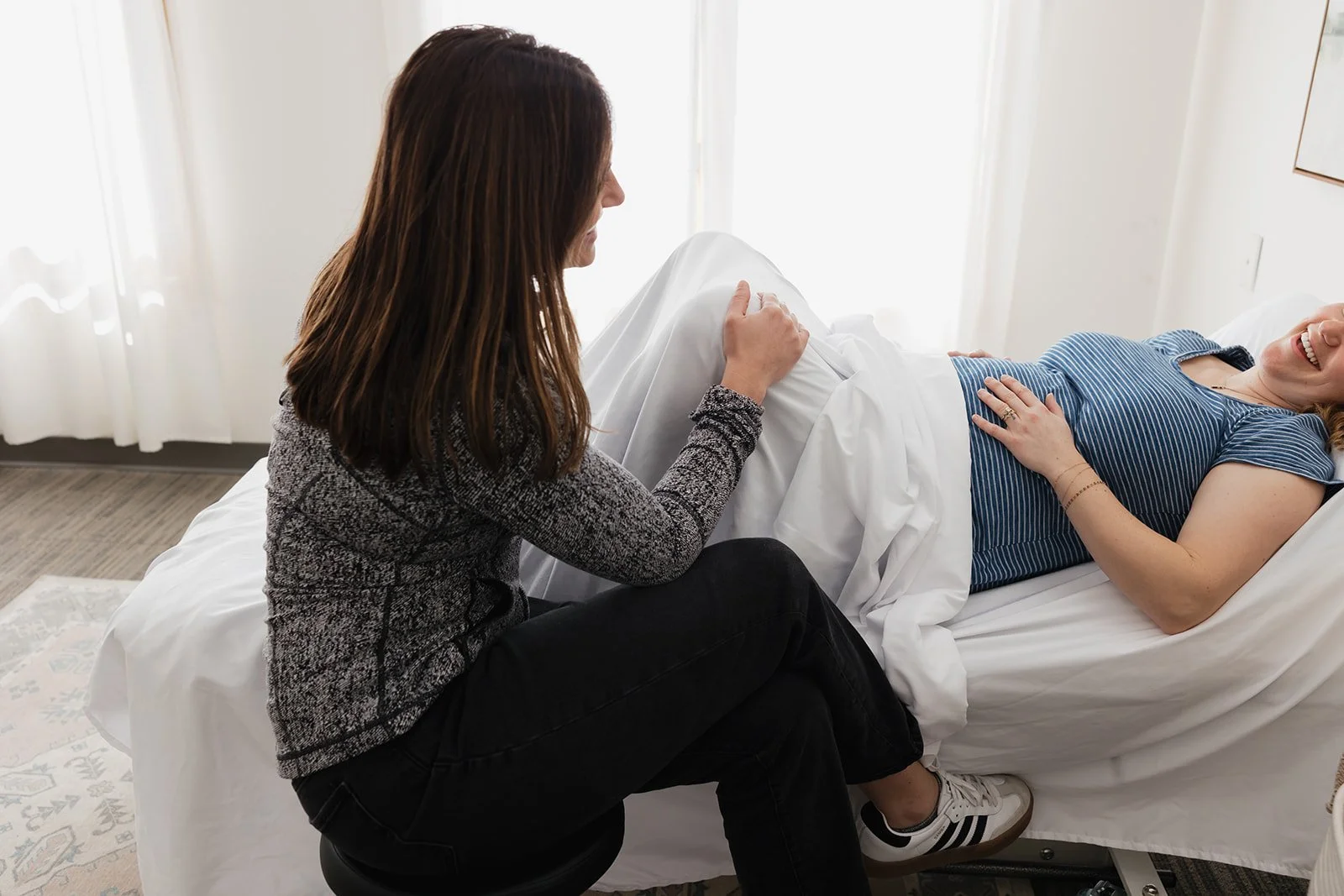
Pelvic Floor Physical Therapy
Pelvic Health Care for Every Age and Every Stage
Whether you’re preparing for birth, recovering postpartum, dealing with pelvic pain, or navigating changes during menopause, our pelvic health specialized physical therapists are here to help you feel strong and supported.
Stop putting your life on hold for pelvic health issues. It’s time you get back to doing what you love.
What is pelvic floor therapy?
Pelvic floor PT is so much more than “Kegels”. It is specialized, one-on-one care that addresses muscles, nerves, and connective tissue of the pelvis. These areas play an important role in bladder and bowel health, sexual function, and overall strength and movement.
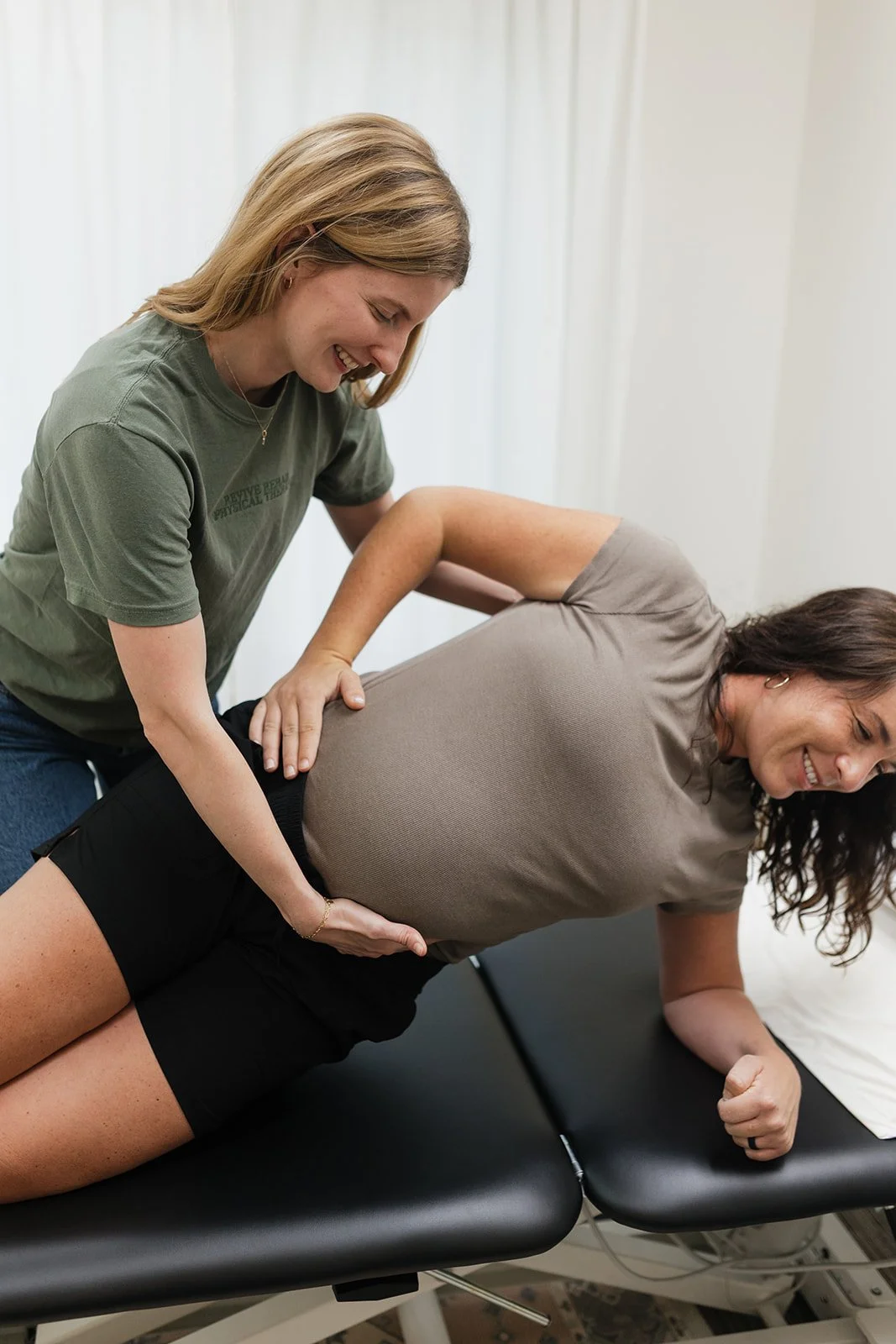
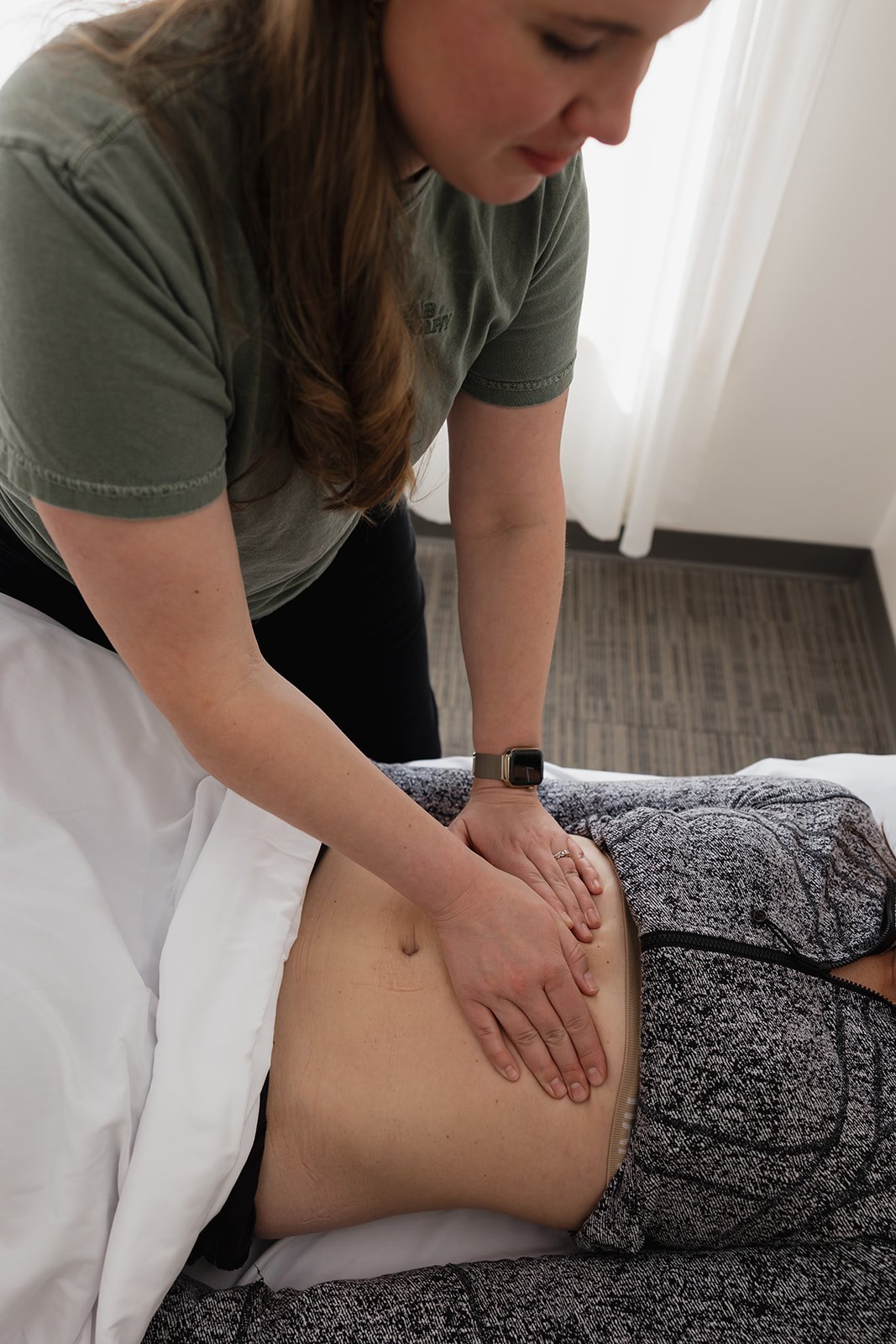
We provide a hands-on treatment approach to address leakage, pelvic pain, bowel incontinence, constipation, or core weakness. We help you return to the activities you love with confidence, while finding your root cause for symptoms and long-term relief.
You don't have to live with symptoms that you've been told are "normal." Pelvic therapy can help you move better, feel stronger, and improve your quality of life at any age or stage.
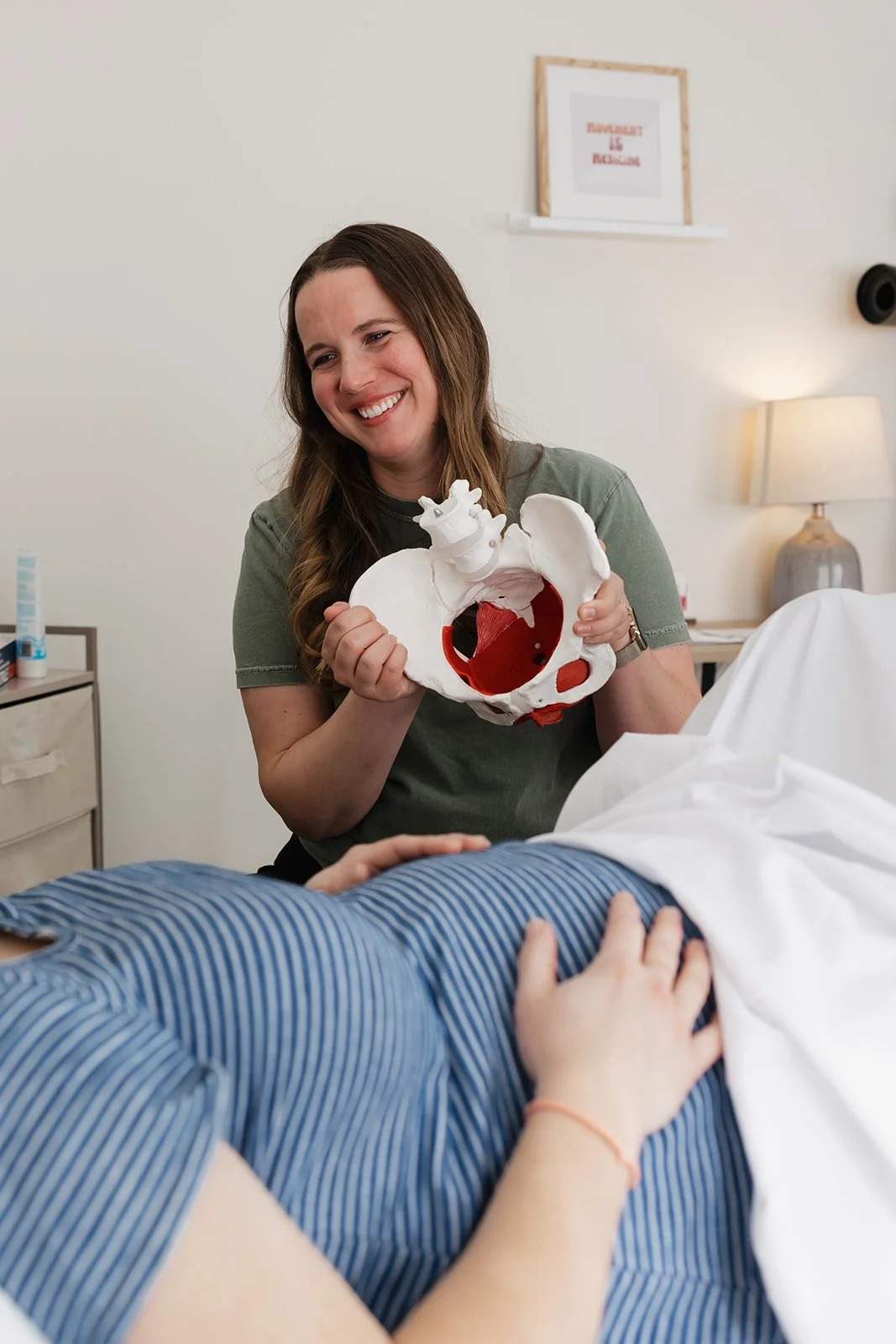
Common pelvic floor issues we treat
Birth Preparation
Bowel Dysfunction
Chronic Prostatitis
Core Strengthening
Diastasis Recti (abdominal separation)
Hip Pain
Interstitial Cystitis
Low Back Pain
Lower Abdominal Pain
Men’s Pelvic Health
Overactive Bladder
Pelvic Organ Prolapse
Pelvic Pain
Perimenopause and Postmenopause
Piriformis Syndrome
Pregnancy + Postpartum
Return to Exercise
Scar Tissue Mobility
Sexual Dysfunction
SI Joint Dysfunction and Sciatica
Tailbone Pain
Urinary Incontinence
Urinary Urgency and/or Frequency
Women’s Pelvic Health
“They listen closely, explain everything clearly, and tailor exercises in a way that feels empowering rather than overwhelming. I’ve experienced progress that I didn’t think was possible, and I always leave sessions feeling fully supported. I would absolutely recommend them to anyone navigating pelvic floor concerns or anyone looking for pelvic floor education.”
— Maria
Frequently Asked Questions
-
Pelvic therapy focuses on the muscles, nerves, and connective tissues that support your bladder, bowel, reproductive organs, and core.
A pelvic floor physical therapist evaluates how these systems work together and treats issues such as pelvic pain, bladder leakage, constipation, pregnancy and postpartum recovery, and pain with intimacy.
Treatment may include:
movement retraining
manual pelvic floor therapy
pelvic floor strengthening
pelvic floor exercises
pelvic floor coordination
breathing and core strengthening
education to help restore strength, function, and confidence in daily life.
-
Men and women have pelvic floors! Revive Rehab specializes in men and women’s health PT. Working with a pelvic specialist in Columbia, MO, allows you to get relief from:
Bowel Dysfunction
Chronic Prostatitis
Diastasis Recti (abdominal separation)
Hip Pain
Interstitial Cystitis
Low Back Pain
Lower Abdominal Pain
Overactive Bladder
Pelvic Organ Prolapse
Pelvic Pain
Perimenopause and Postmenopause
Piriformis Syndrome
Pregnancy + Postpartum
Return to Exercise
Scar Tissue Mobility
Sexual Dysfunction
SI Joint Dysfunction and Sciatica
Tailbone Pain
Urinary Incontinence
Urinary Urgency and/or Frequency
-
We specialize in every stage of life. Our physical therapists have extensive training in pelvic health conditions.
This includes pregnancy pelvic therapy for birth preparation and pain relief, postpartum pelvic therapy to support recovery, menopause pelvic therapy for bladder changes, and athlete pelvic therapy for runners and active individuals.
-
Yes! We specialize in male pelvic PT. Conditions we frequently see are:
Bowel leakage
Chronic prostatitis
Groin pain
Pain with sex
Post hernia repair
Lower back pain
Post-prostatectomy
Tailbone pain
Urinary leakage
-
Yes! We are holistic providers that treat the whole body. We look at how each body part is connected and integrate it into your personal program. Check out our ortho services link here.
-
Not necessarily. Internal pelvic floor therapy is one tool to help us get a good picture of what could be contributing to your symptoms.
At Revive Rehab, we want to know your goals and symptoms prior to making any recommendations. If we feel an internal exam would be helpful, we will educate, help you understand the anatomy, and always gain consent prior to treatment.
You are always in control of your care. We can make meaningful progress with or without a pelvic floor internal exam!
-
No! In Missouri, you can begin physical therapy without a physician script for the first 30 days. This allows you to start treatment quickly instead of waiting weeks for another appointment.
-
Yes! We created a space where kids are always welcome. We have a wide range of toys, a mom/baby changing and feeding room, and accommodations for the family.
-
It depends! Many people see meaningful improvement in 6–10 visits, though some conditions may require more if it is something you have been struggling with for a long time. Your therapist will discuss a clear plan after your initial evaluation.
-
Our primary goal is to get you better and achieve your goals. When involving a third party, your care becomes less about your healing journey.
Our care is unique because we are not driven by insurance limitations. That means longer visits with a specialized PT, one-on-one care, and a welcoming atmosphere for you and your pelvic health needs.
We accept HSA, FSA, and all major credit cards.
We are a direct pay practice, which allows us to provide the highest quality care.
We can provide documentation for possible reimbursement if you are interested. Reimbursement cannot be estimated or guaranteed.
For more information on rates please call us now or visit here.
-
We are on Forum Blvd in Columbia, Missouri.
Revive Rehab is the only practice dedicated exclusively to pelvic therapy in Columbia, MO. We often have people drive from a wide area and commonly see individuals from: Jefferson City, Moberly, Macon, Centralia, Boonville, Fulton, Ashland, Hallsville, The Lake of the Ozarks and many other mid-Missouri areas!
-
Just give us a call at 573-257-8580 and we would love to get you scheduled!
You can also fill out our contact form here and a member of our team will reach out to you as soon as possible.
-
We love to nerd out on this stuff! Give us a call or text at 573-257-8580 and we would love to talk through your specific symptoms. We’ll be the first to tell you if we can help or not.
Recently on the blog:



Join the newsletter family
by joining the fam, you’ll get clinic updates, upcoming events, and tips/tricks.