

dry needling
Experienced clinicians, quick results
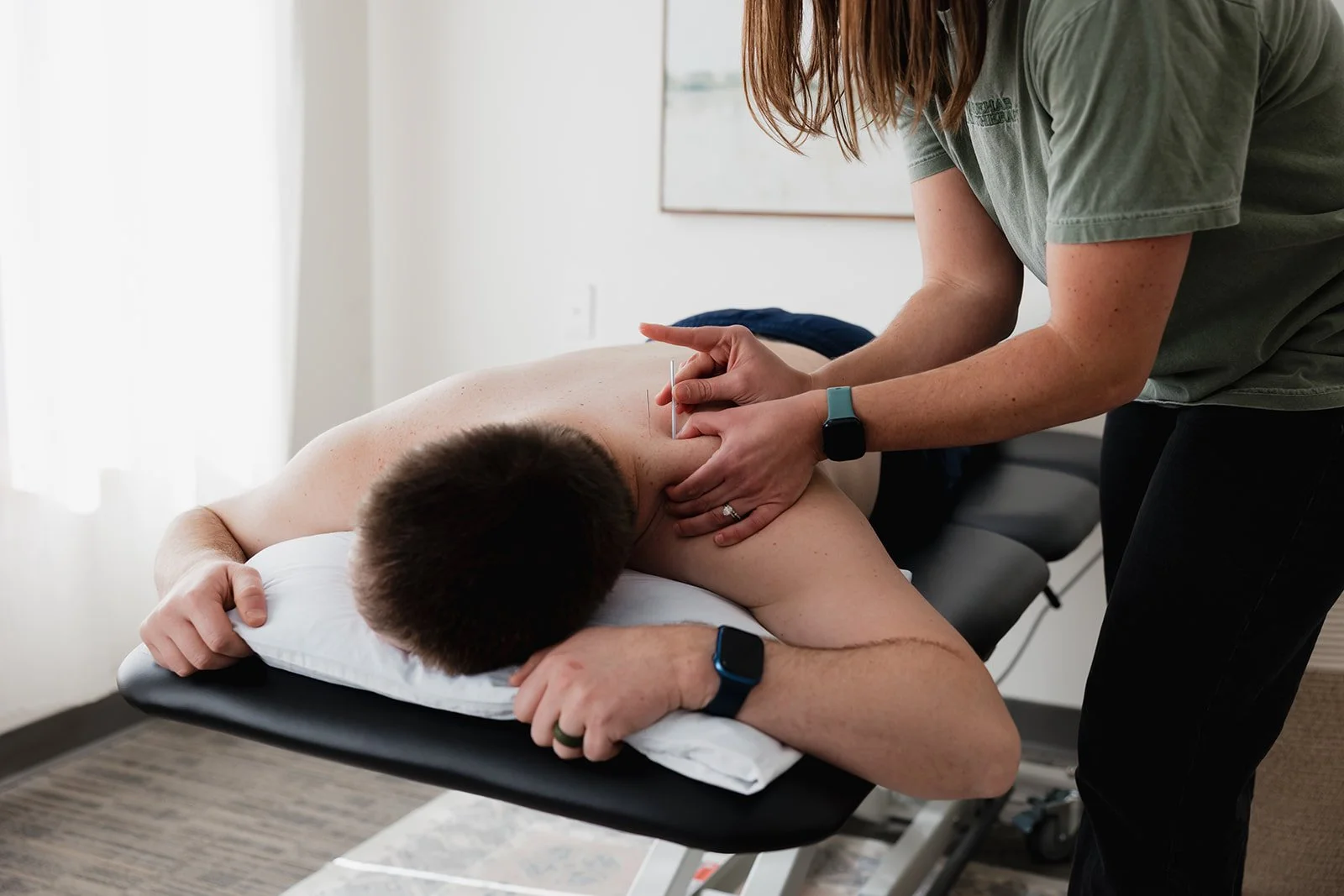
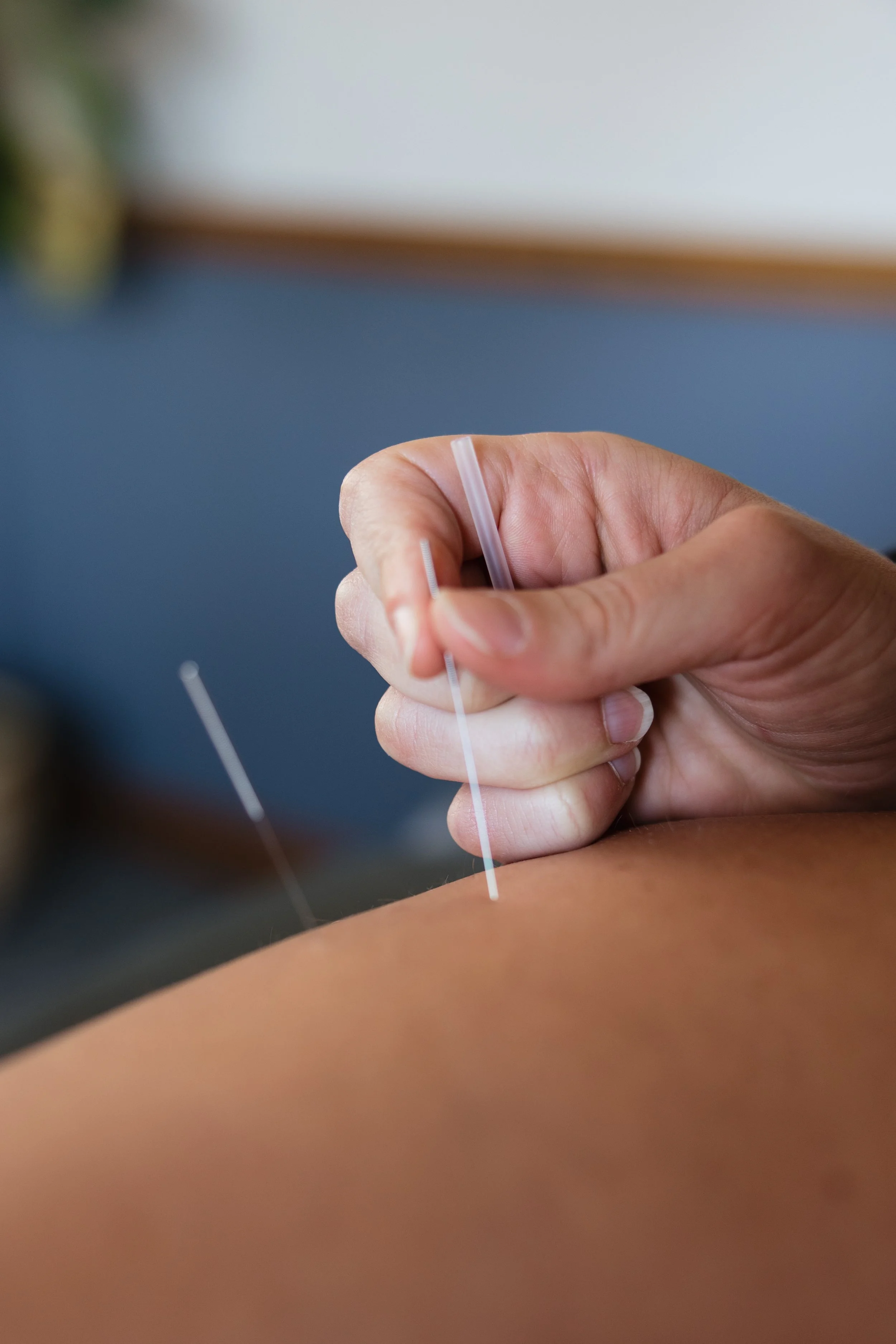
Dry Needling uses a thin, sterile, single-use needle to penetrate the skin and directly target the muscles and connective tissue underneath for pain relief and improved mobility. Dry needling is a safe and effective treatment often used in conjunction with traditional exercise and manual work.
Dry needling can decrease pain, reduce scar adhesions, improve tissue mobility, and improve blood flow for faster healing.
The Revive team has three physical therapists formally trained to perform dry needling and will discuss treatment using needles on a case by case basis. Needling is always included as part of a full treatment session.
Dry needling
C-Section scars
Golfer’s elbow
Headaches
Hip pain
Knee pain
Low Back Pain
Neck pain
Piriformis syndrome
Plantar fasciitis
Shoulder pain
SI Joint dysfunction and Sciatica
Tendonitis
Tennis elbow
Trigger points
And much more!
Dry needling helps with:
How does dry needling work?
Our top question about dry needling is always “so.. how does it work?” It’s not always clear to see how a small needle can make such a big difference in pain and tightness within a muscle.
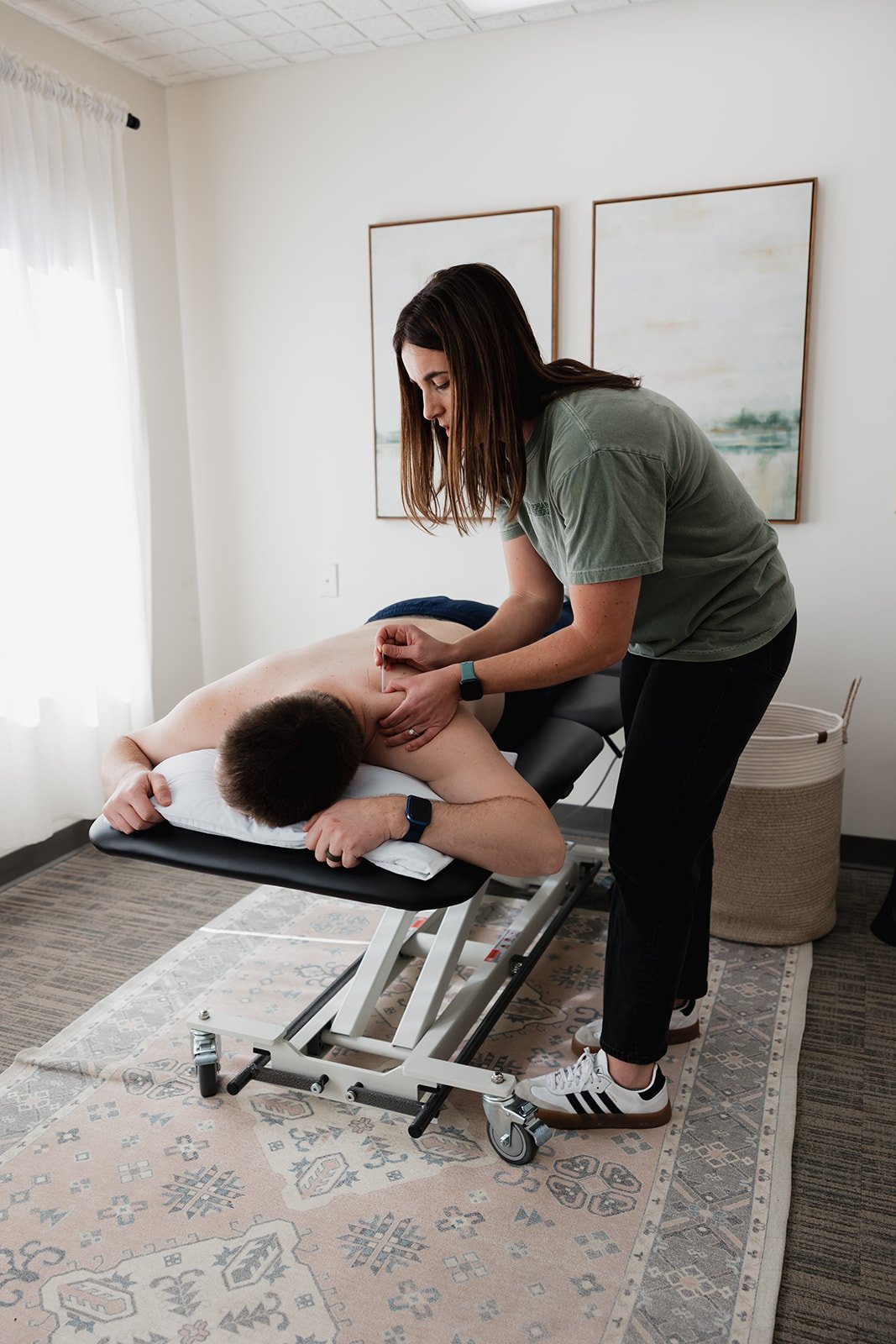
Dry needling targets trigger points within a muscle. Sometimes these are large “knots” that have developed after chronic or repetitive use, but sometimes they are much smaller tight bands in a muscle that require skilled hands to find. Trigger points are a section of muscle that isn’t moving as smoothly as it should and gets “forgotten” by the body. That means less blood flow, less movement, and less opportunity to stay strong and healthy.
Inserting a small needling into a trigger point creates a disruption in the cycle and brings blood flow and awareness to the forgotten band of muscle. This is often when we see a twitch response happen, which is a strong but quick reset of those muscle fibers by our nervous system. We will often add light electrical stimulation to the needles to encourage that twitch and awareness to happen.
After the needle and stimulation have done their work, we use targeted movement patterns, other manual techniques, or general exercises to keep that muscle moving well and encouraging your body to move as it did before that trigger point developed.
dry needling for scars
In the same way a trigger point can create tightness and reduce blood flow, scar tissue can feel stuck and tight. Scars (especially c-section scars) need to heal multiple layers of tissue that used to move freely, but can stick to the layers above and below during healing. Dry needling brings blood flow and movement to those tight layers and prevents pain or deep pulling on the surrounding skin.
“She is THE BEST I have experienced in Columbia. We have done wonders for my hips and back with her techniques combining scar work, cupping, dry needling, at home exercises.”
— Tessa
-
“Dry” needling uses a thin, solid, monofilament needle and does not inject any substance into the body.
“Wet” needles are hollow and would be used for any sort of vaccine or injection.
-
Not really. It can be uncomfortable initially, but pain reproduction is a good sign that we are working on the right spot. There may be radiating symptoms and muscle twitching that indicates the treatment is working.
-
Although rare, adverse reactions are always possible:
Pain during and after treatment
Soreness and bruising
Infection
Bleeding
Needle anxiety (Dizziness, faintness)
-
Dry needling targets myofascial trigger points, muscular tissue, and connective tissue specifically.
Revive Rehab physical therapists practicing dry needling are NOT trained in the traditional Chinese medicine practice of acupuncture.
-
Dry needling is most often used as a part of the treatment plan and its use depends on symptoms and response to previous sessions. Typical treatment plans start with 8-12 visits and dry needling may be incorporated in some or all visits. After an evaluation, your therapist can give you a much better idea of the need and frequency of dry needling.
-
Trigger points (commonly called “knots”) are painful, tight bands within a muscle. Those bands do not move freely and can cause local pain or pain that shoots to other areas.
Trigger points are commonly caused by an injury to the area, overworking a specific muscle, poor posture throughout the day, or chronic stress.
-
A “twitch response” is a common result during dry needling insertion. Once the needle hits the trigger point it can release quickly from the tight position. This can be very satisfying, but surprising. Getting a muscle twitch is a great sign that the needle is in the right location and the trigger point is releasing. Dry needling can be very effective even without a strong twitch response.
-
NO. Dry needling should only be provided by certified physical therapists. All Revive Rehab therapists have done continuing education courses specifically in dry needling. They hold various certifications through the Institute of Clinical Excellence and Evidence in Motion.
-
Dry needling can be very effective for many types of pain. Needling can help new injuries heal more quickly and efficiently. It is also used for chronic pain or injuries that never seem to totally go away. By eliminating trigger points and relaxing the muscle, dry needling can open up more possibilities in available exercises and movements in the area.
-
We are on Forum Blvd in Columbia, Missouri.
Revive Rehab is the only practice dedicated exclusively to pelvic therapy in Columbia, MO. We often have people drive from a wide area and commonly see individuals from: Jefferson City, Moberly, Macon, Centralia, Boonville, Fulton, Ashland, Hallsville, The Lake of the Ozarks and many other mid-Missouri areas!
-
To allow for proper healing and closure of a new scar, we wait 12 weeks after surgery to begin dry needling.
Remember that typical pelvic floor physical therapy can begin as early as 6 weeks after c-section and dry needling may be included when your scar is ready.
Frequently Asked Questions
Recently on the blog:
Join the newsletter family
by joining the fam, you’ll get clinic updates, upcoming events, and tips/tricks.